
Neem vs Tea Tree Oil: Which Is Better for Acne?
Acne is a common skin issue worldwide. Whether you experience occasional breakouts or have persistent acne-prone skin, finding the right natural remedy can really help.
Neem and tea tree oil are two commonly recommended ingredients for acne. Both are known for their natural cleansing properties and have become popular among skincare fans. But which one is better for acne?
In this guide, we’ll compare neem and tea tree oil based on their benefits, effectiveness, safety, and suitability for different skin types.
Understanding Acne
Acne happens when pores get clogged with excess oil, dead skin cells, and bacteria. This can lead to:
- Whiteheads
- Blackheads
- Pimples
- Redness
- Inflammation
- Acne scars
Choosing the right skincare ingredients can support healthier skin and reduce future breakouts.
What Is Neem?
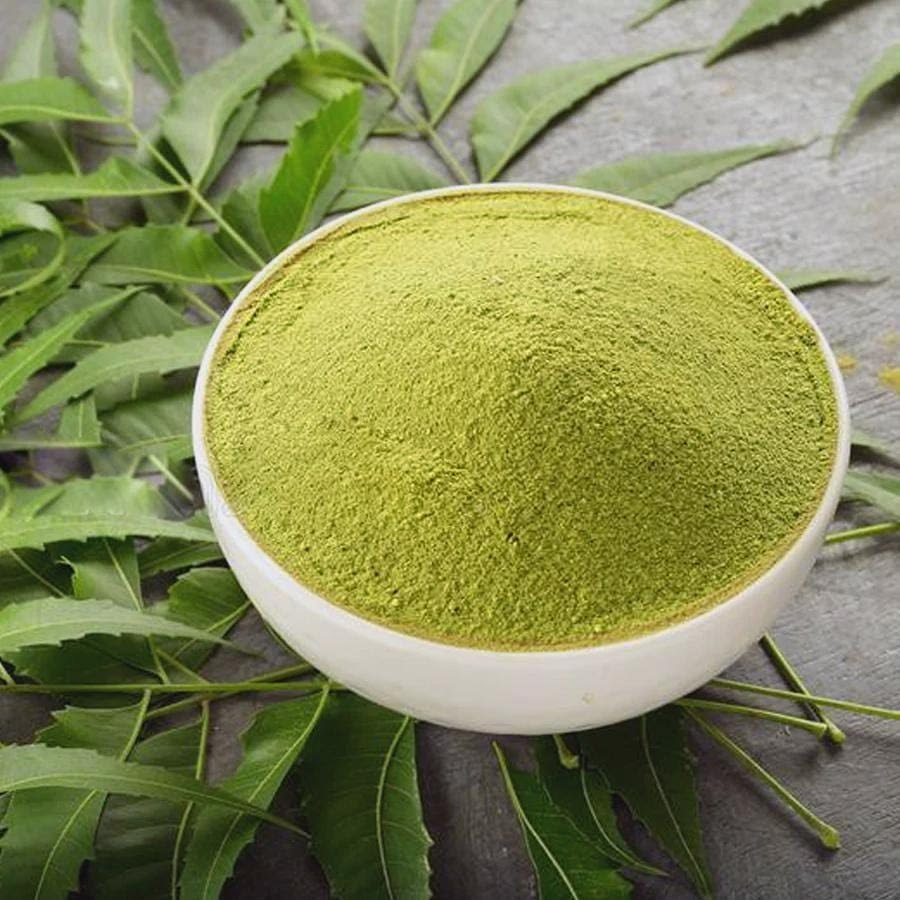
Neem is a traditional Ayurvedic herb that has been used for centuries in natural skincare. It comes from the neem tree and is known for its cleansing, soothing, and skin-supporting properties.
Benefits of Neem for Acne
- Helps reduce excess oil
- Supports clearer skin
- Calms irritated skin
- Works well in regular skincare routines
- Contains natural plant compounds
People often use neem powder in face masks and herbal skincare treatments around the world.
BUY ORGANIC NEEM POWDER : NEEM POWDER
What Is Tea Tree Oil?
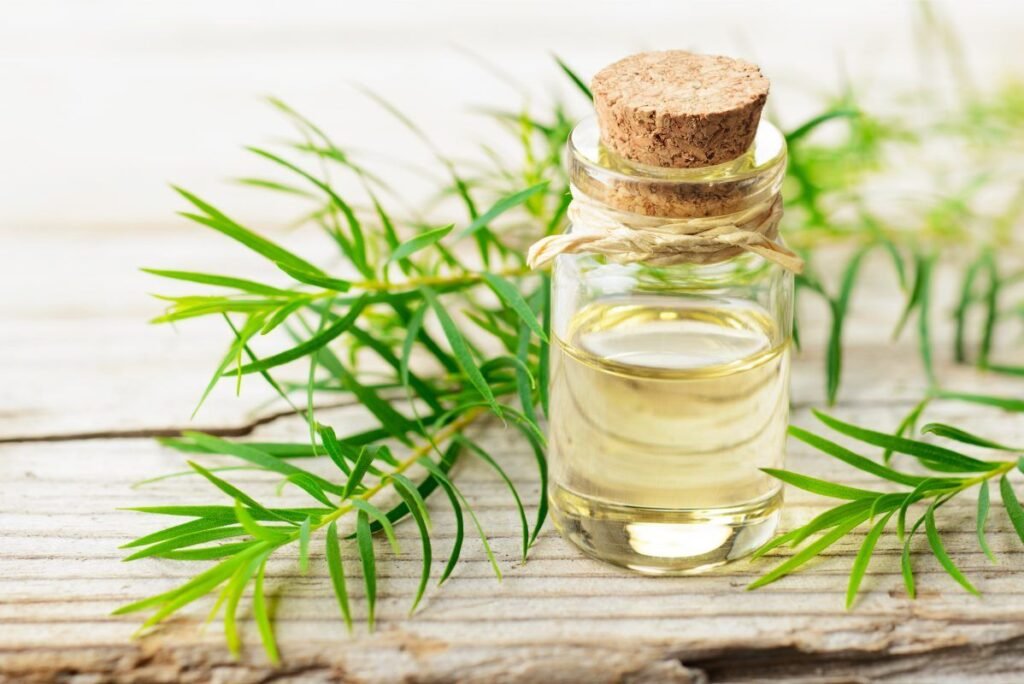
Tea tree oil is an essential oil derived from the leaves of the tea tree. It’s widely used in skincare products for oily and acne-prone skin.
Benefits of Tea Tree Oil for Acne
- Known for its cleansing properties
- Helps remove excess oil
- Often used in spot treatments
- Popular in modern skincare products
Tea tree oil is usually diluted before use since pure essential oils are very concentrated.
Neem vs Tea Tree Oil: Comparison
1. Natural Skin Friendliness
Neem
Neem is generally gentle when used properly in face packs and skincare treatments.
Tea Tree Oil
Tea tree oil can be effective but may irritate sensitive skin if not diluted correctly.
Winner: Neem
For people with sensitive or reactive skin, neem is often the gentler option.
2. Oil Control
Neem
Helps manage excess oil while keeping skin balanced.
Tea Tree Oil
Helps reduce oiliness and keeps pores clean.
Winner: Tie
Both ingredients can benefit oily skin.
3. Soothing Redness and Irritation
Neem
Traditionally used to calm irritated skin and support recovery.
Tea Tree Oil
Can help with blemishes but may cause temporary dryness in sensitive skin.
Winner: Neem
Neem is often preferred for calming and soothing skincare routines.
4. Ease of Use
Neem Powder
Just mix it with water, rose water, or aloe vera gel to make a face pack.
Tea Tree Oil
Usually needs to be diluted before applying to the skin.
Winner: Neem
Neem is easier for beginners and daily skincare routines.
5. Long-Term Skincare Support
Neem
Works well as part of a complete herbal skincare routine.
Tea Tree Oil
Is often used mainly for targeted spot treatments.
Winner: Neem
Neem provides broader skincare benefits beyond just individual blemishes.
Which Is Better for Different Skin Types?
Oily Skin
Both neem and tea tree oil can help control excess oil.
Sensitive Skin
Neem is generally the safer and gentler choice.
Combination Skin
Neem balances the skin without causing excessive dryness.
Acne-Prone Skin
Combining neem-based skincare with a healthy routine can provide excellent support.
How to Use Neem for Acne
Neem Face Pack
Ingredients:
- 1 tablespoon neem powder
- Rose water or clean water
Instructions:
- Mix into a smooth paste.
- Apply evenly to the face.
- Let it sit for 15–20 minutes.
- Rinse with lukewarm water.
- Use 2–3 times per week.
This simple routine can help promote clearer and healthier-looking skin.
Why Many People Are Choosing Neem
As more consumers turn to natural and plant-based skincare, neem is gaining popularity worldwide.
People appreciate neem because it is:
- Naturally derived
- Easy to use
- Suitable for different skin types
- Widely used in traditional herbal skincare
- Compatible with simple routines
Why Choose PNSL Neem Powder?
At PNSL (Protect Nature Save Life), we believe skincare should be simple, natural, and effective.
Our Neem Powder is:
- 100% Natural
- Chemical-Free
- Carefully processed for quality
- Suitable for skin and hair care
- Inspired by traditional Ayurvedic practices
Whether you’re building a natural skincare routine or seeking herbal solutions for acne-prone skin, PNSL Neem Powder offers an easy way to incorporate nature into your daily care.
Frequently Asked Questions
Q. Is neem better than tea tree oil for acne?
Ans. Both ingredients have their benefits, but neem is often preferred for sensitive skin and long-term routines due to its gentleness.
Q. Can I use neem powder every day?
Ans Most people see good results by using neem face packs 2–3 times a week.
Q. Does neem help with acne scars?
Ans. Neem is often included in skincare routines aimed at supporting clearer and more even-looking skin.
Q. Can neem and tea tree oil be used together?
Ans. Yes. Some people combine neem-based skincare with diluted tea tree oil products as part of their overall routine.
Final Thoughts
When comparing neem and tea tree oil for acne, both offer valuable benefits. However, neem stands out as a versatile, gentle, and traditional ingredient that works well for many skin types.
For anyone looking for a simple, plant-based approach to acne-prone skin, neem can be a great addition to a healthy skincare routine.
Nature has provided skincare solutions for centuries. With quality herbal ingredients and regular care, achieving healthier-looking skin can be straightforward and sustainable.
FOLLOW US : INSTAGRAM